Why Clear Water Can Still Be Unsafe to Drink
Share
Visual clarity is one of the most misleading signals in outdoor water safety. People trust what they can see, and clean-looking water feels safer than muddy water. But drinking safety is mostly about what you cannot see. That is why some of the clearest water in the field can still make people sick.
What clear water does tell you
Clear water can tell you that there is less visible sediment, less suspended debris, and sometimes less organic load than muddier sources. That matters because it can make filtration easier and improve taste after treatment.
What it does not tell you is whether harmful microorganisms are present. Many of the most important biological risks in outdoor water are invisible to the eye, which means clarity is only a convenience factor, not a safety guarantee.
Invisible contamination is common
A water source can look beautiful and still be affected by wildlife, grazing areas, camp use, buried runoff, or upstream drainage. The water may be clear because contamination is diluted, not because contamination is absent.
This is especially relevant in mountain and forest settings where people assume remote equals pure. Distance from town does not eliminate risk. Animal activity alone is enough to make treatment necessary in many otherwise appealing sources.
Why relying on appearance leads to mistakes
When users rely on clarity, they often skip treatment in exactly the situations where they feel most confident. That creates a dangerous pattern: the better the water looks, the more likely someone is to take a shortcut.
The problem is not just illness after the fact. A waterborne issue during hiking, travel, or emergency use can reduce energy, decision quality, and overall resilience. In a field environment, even a moderate stomach problem can become a much bigger operational problem.
A better field habit
Treat appearance as one data point, not the decision. Use it to prefer clearer water over murkier water when choosing a collection point, but still treat that water before drinking. In other words, clarity helps you pick the better source, but it does not remove the need for processing.
The most reliable habit is simple: choose the best source you can find, then run it through your treatment method every time. That approach is repeatable, realistic, and much safer than trusting what looks clean in the moment.
Final Takeaway
Clear water is often easier to work with, but safe drinking water comes from treatment, not appearance. In the field, what you cannot see is the part that matters most.
Related Reading
- How to Choose the Best Water Source in the Wild
- What Water Sources Should You Avoid Completely?
- Can You Drink Rainwater in an Emergency?
Recommended Gear
Main Filter for Better Sources
Once you choose the best available source, the main StayAlive filter helps turn that decision into a usable hydration routine. StayAlive Survival Water Filter.
Replacement Filters for Repeated Use
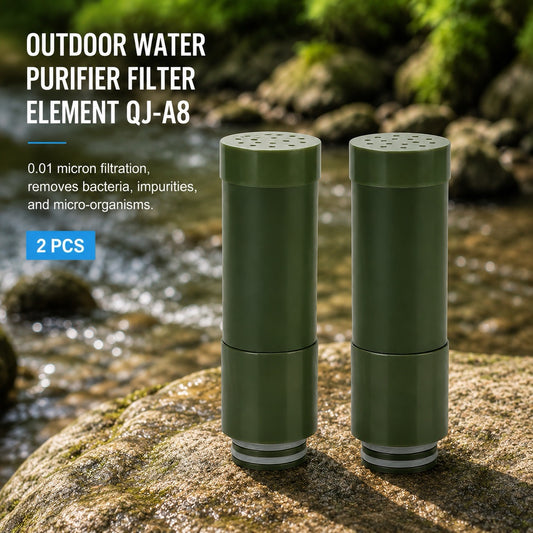
If you rely on filtration often, replacement cartridges keep source decisions from becoming maintenance emergencies later. StayAlive Replacement Filter.