Can You Drink Rainwater in an Emergency?
Share
Rainwater feels intuitively safer than floodwater, ditch water, or roadside runoff, so many people assume it can be consumed with minimal concern in an emergency. That instinct is partly understandable, but it still needs discipline. In a survival setting, the question is not only whether the rain itself started clean enough. The bigger question is what the water touched before it reached your container and how you plan to handle it afterward.
Why rainwater can be useful in emergencies
Rainwater is often one of the more attractive emergency sources because it may avoid many of the contamination pathways found in standing ground water, drainage channels, or damaged urban systems. If collected well, it can become a much more manageable source than many surface options available after an outage or storm event.
This makes rainwater especially valuable when your stored water is limited and you need a safer replenishment option than whatever is pooling around you on the ground.
Why rainwater still needs judgment
Rainwater is not automatically safe just because it falls from the sky. Collection surfaces matter. Rooftops, gutters, dirty tarps, exposed containers, and debris-covered surfaces can all change the risk profile quickly.
This is one of the most important survival distinctions: source purity and collection purity are not the same thing. Rain may start as the better source, then become questionable because the collection method was sloppy.
What makes emergency rainwater collection smarter
The cleaner and simpler the collection path, the better. Direct collection into a clean container is generally more reassuring than runoff routed through dirty infrastructure. Even when rainwater seems like the best available option, treatment and careful clean-side handling still improve confidence.
In other words, rainwater should be treated as promising, not magical. Good collection plus disciplined treatment is what turns it into a dependable emergency asset.
The practical survival mindset
If rainwater is the best source available, collect it intelligently and protect it like a resource worth keeping clean. Do not throw away the advantage by mixing it into dirty containers or careless camp habits.
In emergencies, the best water source is the one that stays under the most control from start to finish. Rainwater can fit that standard well, but only if the user does too.
Final Takeaway
Rainwater can be one of the better emergency water options, but it is only as trustworthy as the way you collect, treat, and store it.
Related Reading
Recommended Gear
Main Filter for Better Sources
Once you choose the best available source, the main StayAlive filter helps turn that decision into a usable hydration routine. StayAlive Survival Water Filter.
Replacement Filters for Repeated Use
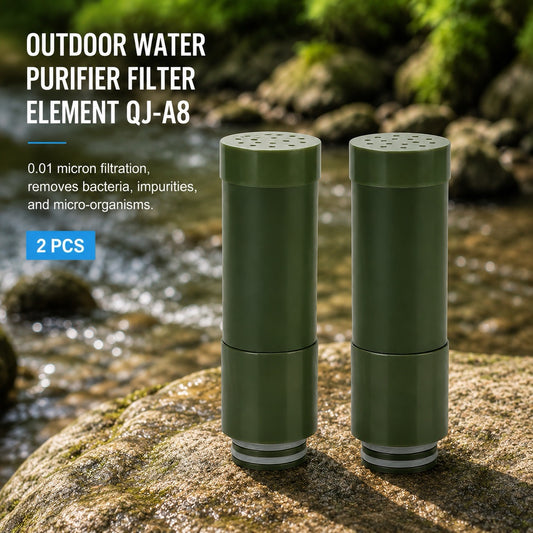
If you rely on filtration often, replacement cartridges keep source decisions from becoming maintenance emergencies later. StayAlive Replacement Filter.