How to Choose the Best Water Source in the Wild
Share
Finding water is only half the job. The more important skill is choosing the best available source before you treat it. Good source selection reduces risk, improves filter performance, and gives you more confidence in the whole workflow. In field survival, choosing well at the start is often the difference between a manageable problem and a sloppy one.
Think in rankings, not in absolutes
In the wild, you often do not get perfect options. You get better and worse options. That means the expert skill is comparative judgment: which source is the best available right now, and which source should be avoided even if it is convenient?
This mindset prevents two common mistakes. One is trusting a bad source because it is close. The other is freezing up because no source feels ideal. Survival decisions are often about selecting the least risky workable option.
What usually makes a source better
In general, cleaner-looking moving freshwater from a less disturbed area is a stronger starting point than stagnant, shallow, muddy, or heavily trafficked water. Sources with less obvious animal activity, less pooling, and less downstream exposure are usually more desirable.
Elevation and remoteness can help, but they are not guarantees. The real question is always what the water might have contacted before it reached you and how much biological or surface contamination it likely picked up along the way.
What should make you more cautious
Water near campsites, trails, livestock, flood debris, warm stagnant edges, or road crossings deserves more caution. These settings increase the odds that the source has been compromised in ways that are not immediately visible.
Convenience is one of the biggest traps. Easy-to-reach water is often heavily used water. Expert judgment means resisting the temptation to treat access as safety.
How to make a better field decision
Pause before collecting. Look at flow, depth, traffic, animal sign, clarity, and what lies upstream. Then decide not only whether the water can be treated, but whether it is the best source available within reasonable effort.
That pause is where experience lives. The strongest water systems begin with a good choice, not just a strong filter.
Final Takeaway
The best water source in the wild is usually the cleanest, least disturbed, most manageable source available to you, not the closest one. Good treatment starts with good selection.
Related Reading
Recommended Gear
Main Filter for Better Sources
Once you choose the best available source, the main StayAlive filter helps turn that decision into a usable hydration routine. StayAlive Survival Water Filter.
Replacement Filters for Repeated Use
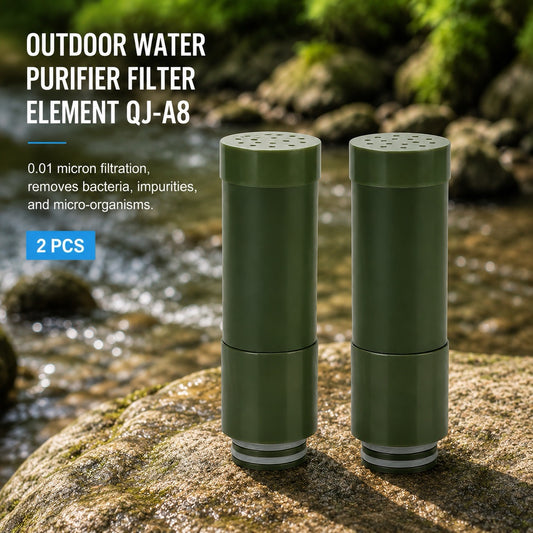
If you rely on filtration often, replacement cartridges keep source decisions from becoming maintenance emergencies later. StayAlive Replacement Filter.