Spring Water, River Water, or Lake Water: Which Is Safer?
Share
Not all natural water sources carry the same level of risk. If you have more than one option in the field, choosing the better source before treatment can improve safety, make filtering easier, and reduce wear on your equipment. The best choice is still source-dependent, but some patterns are consistently more reliable than others.
Why source selection matters before treatment
Water treatment tools work better when the source is already relatively clean. Less sediment means better flow, easier pumping, and lower strain on your filter element. Better source selection also lowers the chance that you are dealing with heavy contamination that your field setup was never designed to solve.
A common mistake is thinking that any natural water source becomes equal once you own a filter. That is not true. The tool matters, but choosing a smarter collection point is part of the system.
How spring water compares
A true protected spring can be one of the better natural sources because it often emerges from the ground with less surface contamination than open water. However, many people call any small outflow a spring, even when it is just seepage or runoff. That label alone is not enough.
If you use spring water, look for a clean emergence point, minimal animal activity, and little exposed pooling. If water is collecting in mud or mixing with surface flow before you reach it, treat it with the same caution you would use for any other natural source.
How rivers and streams compare
Flowing water is often a strong choice because movement reduces stagnation and usually leaves less visible organic buildup than a lake edge. Among open sources, fast-moving water collected upstream from camps, crossings, and livestock is often one of the most practical options for hikers and campers.
The weakness of rivers and streams is everything happening upstream. Animal waste, human use, trail traffic, roads, farmland, and heavy rain can all affect water quality well above your collection point. Faster water is usually easier to trust than slow water, but it still needs treatment.
How lakes compare
Lakes and ponds are usually lower on the preference list because they hold still water longer, which increases algae growth, organic matter, and the chance of contamination collecting near shore. Shallow edges are often the worst place to collect because sediment, plant matter, and animal activity concentrate there.
If a lake is your only source, collect from the cleanest available point, avoid muddy or heavily trafficked shoreline, let sediment settle if needed, and then filter or otherwise treat the water. Lake water can be usable, but it usually requires more care than a cleaner flowing source.
Final Takeaway
As a working rule, a protected spring is often best, clean fast-moving stream water is often next, and stagnant lake-edge water is usually the least desirable. But every source still needs treatment before drinking.
Related Reading
- How to Choose the Best Water Source in the Wild
- What Water Sources Should You Avoid Completely?
- Can You Drink Rainwater in an Emergency?
Recommended Gear
Main Filter for Better Sources
Once you choose the best available source, the main StayAlive filter helps turn that decision into a usable hydration routine. StayAlive Survival Water Filter.
Replacement Filters for Repeated Use
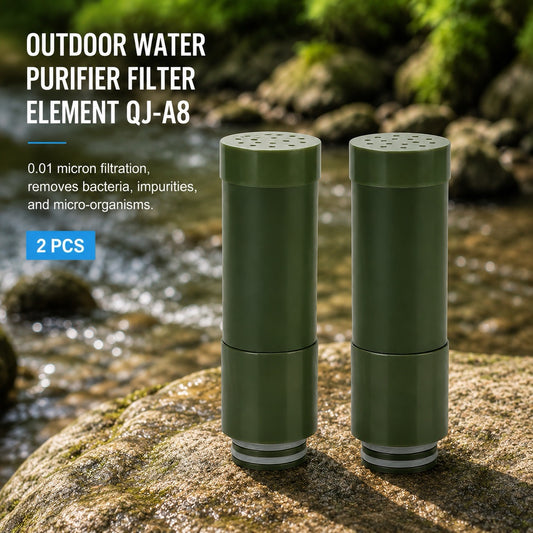
If you rely on filtration often, replacement cartridges keep source decisions from becoming maintenance emergencies later. StayAlive Replacement Filter.