Can You Drink Outdoor Water Without Treatment?
Share
Many people assume that water found in nature is safe if it looks cold, clear, or fast-moving. In reality, appearance tells you very little about microbiological safety. Streams, springs, lakes, and collected rainwater can all carry organisms or contaminants that you cannot see, smell, or taste. A good outdoor water plan starts with one simple rule: treat unknown water before you drink it.
Why clear water is not the same as safe water
The most common outdoor drinking mistake is trusting the look of a water source. Clear water may still contain bacteria, protozoa, animal waste runoff, agricultural contamination, or upstream human activity. Water can be visually clean and still cause stomach illness, dehydration, or a ruined trip.
Moving water is often a better starting point than stagnant water, but it is not automatically safe. A stream may run through grazing land, campsites, roadsides, or wildlife areas before it reaches you. The fact that it feels fresh or looks mountain-clean does not remove the need for treatment.
The main risks in untreated outdoor water
The most important risks in outdoor water are usually biological. Bacteria and protozoa are the biggest concern for hikers, campers, and emergency users. These can lead to diarrhea, vomiting, fever, fatigue, and poor decision-making, all of which are much more serious when you are away from support.
Chemical contamination is another issue, especially near farmland, floodwater, industrial runoff, urban drainage, or disaster zones. A portable filter may help with sediment and some taste issues, but not every water treatment method addresses every contaminant. That is why source selection matters as much as the tool you carry.
When untreated water is especially risky
Water is higher risk when it is stagnant, warm, close to livestock, below a campsite, downstream from roads, or collected after heavy rain. Floodwater should be treated as particularly dangerous because it often mixes soil, sewage, chemicals, and debris into one source.
Emergency situations create a false sense of urgency. People who are dehydrated or stressed may drink first and think later. In those moments, having a filter or a simple treatment plan already packed is far safer than relying on instinct in the field.
A better rule for outdoor drinking
A safer approach is to rank sources, collect the best water available, and then treat it before drinking. Clearer water from a better location is easier to process and often gives more reliable performance from your filter. That protects both your body and your gear.
If your use case includes hiking, camping, vehicle kits, or home emergency backup, the goal is not to guess whether water is safe. The goal is to remove guesswork. A portable filtration setup and spare filters turn uncertain water into a manageable problem instead of a gamble.
Final Takeaway
Treating water is not overcautious; it is basic risk management. In outdoor and emergency use, the safest mindset is simple: if the source is unknown, do not drink it untreated.
Related Reading
- How to Choose the Best Water Source in the Wild
- What Water Sources Should You Avoid Completely?
- Can You Drink Rainwater in an Emergency?
Recommended Gear
Main Filter for Better Sources
Once you choose the best available source, the main StayAlive filter helps turn that decision into a usable hydration routine. StayAlive Survival Water Filter.
Replacement Filters for Repeated Use
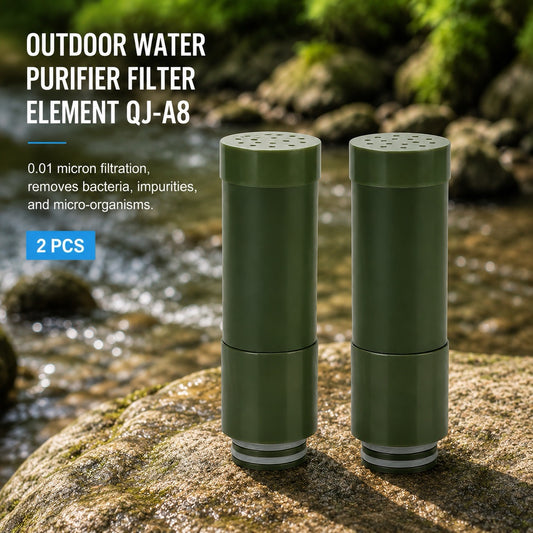
If you rely on filtration often, replacement cartridges keep source decisions from becoming maintenance emergencies later. StayAlive Replacement Filter.