What to Do When Your Water Filter Flow Slows Down
Share
A slower water flow does not automatically mean your filter has failed, but it does mean the system needs attention. Flow loss is one of the most common maintenance issues in portable water filtration, and handling it early helps preserve both performance and user confidence.
Why flow usually slows down
The most common reason is simple load: the filter has collected sediment, organic material, or other fine particles from repeated use. Tougher water sources usually cause faster decline than cleaner ones.
Flow can also feel worse after long storage, incomplete cleaning, or use in colder conditions. In other words, slow flow is often the result of real use history, not a mysterious defect.
Start with the easy checks
Before assuming the filter needs replacement, check whether the source water is unusually dirty, whether hoses or intake points are obstructed, and whether the unit was stored wet or not fully rinsed. Small setup issues can look like cartridge failure when they are really just routine maintenance problems.
A calm inspection is important. Users often overreact to one bad session when the real issue is source quality or minor blockage rather than the end of the filter's life.
Know when slower flow is telling you something
If reduced flow becomes consistent across normal sources and after basic cleaning habits, it is usually a sign that the filter is nearing the point where replacement should be planned. This is especially true if the change in performance is not occasional but repeatable.
Prepared users do not wait until output becomes unusable. They treat repeated flow decline as a maintenance signal and rotate in a fresh filter when confidence drops.
Prevention is easier than troubleshooting
Good source selection helps a lot. Clearer, cleaner collection points reduce strain from the start. Consistent post-use care, drying, and proper storage also help preserve better flow over time.
Most flow problems become easier when the system is treated as gear that needs upkeep, not as a sealed object that should run indefinitely with no attention.
Final Takeaway
A slower filter is usually a maintenance message, not a surprise failure. Check the source, inspect the setup, and replace the cartridge before unreliable flow becomes a bigger problem.
Related Reading
Recommended Gear
Replacement Filter Backup
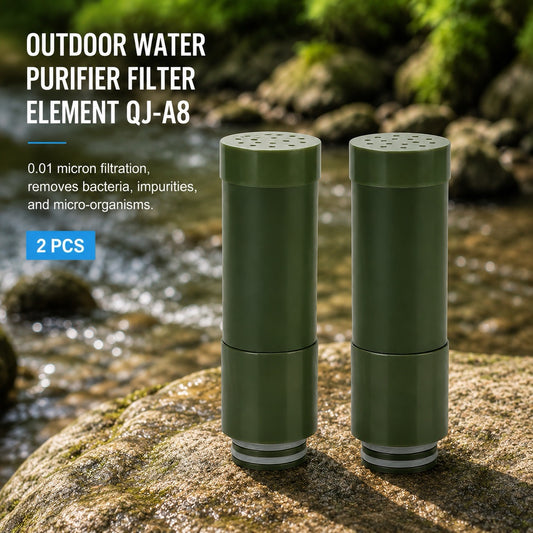
If the article raised maintenance or confidence questions, the smartest next step is keeping replacement filters ready before the current setup becomes doubtful. StayAlive Replacement Filter.
Main Filter System
Use the main StayAlive filter as the primary field tool, then support it with better storage, replacement timing, and clean-side habits. StayAlive Survival Water Filter.