How to Store Treated Water Safely in Camp
Share
Treating water is only part of the job in camp. Once water is clean, it has to stay clean. That sounds obvious, but many camp setups quietly fail at this step. Treated water gets mixed with dirty containers, exposed to careless handling, or left in a routine that invites second-guessing later.
Why treated water storage matters
Camp water systems often involve repeated handling, multiple containers, cooking use, and tired people moving quickly. That makes it easy for treated water to lose its protected status unless the storage side is deliberately organized.
The more people in camp, the more important this becomes. Shared use increases the odds of sloppy handling unless the clean-water routine is unmistakably simple.
Separate clean water from raw-water workflow
Treated water should live in clearly designated containers that are not casually used for untreated collection. Once the clean side and dirty side blur together, your confidence in the whole system drops.
This is less about perfectionism than about repeatability. You want a storage habit that still works when it is dark, cold, or you are halfway through dinner cleanup.
Protect access points and handling habits
Openings, lids, bottle mouths, and transfer points are where camp water routines often break down. A clean container can become questionable quickly if it is handled with dirty hands or stored in a cluttered mixed-use area.
Expert camp routines reduce unnecessary touching and reduce ambiguity. If everyone knows which water is ready to drink and which is not, mistakes happen less often.
Think ahead to later use, not only current use
Camp water is often processed ahead of time for later drinking, cooking, or morning use. That means the storage system has to preserve trust over time, not just for the next five minutes.
A treated-water system that works only while you are watching it is not a strong camp system. The best setup is one you can leave alone for a while and still trust when you return to it.
Final Takeaway
In camp, treated water should be protected as deliberately as it was processed. Clean-side storage is what turns effort into dependable hydration later.
Related Reading
Recommended Gear
Replacement Filter Backup
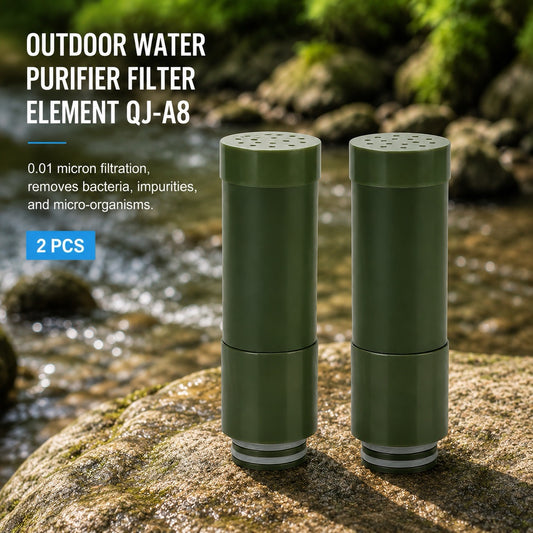
If the article raised maintenance or confidence questions, the smartest next step is keeping replacement filters ready before the current setup becomes doubtful. StayAlive Replacement Filter.
Main Filter System
Use the main StayAlive filter as the primary field tool, then support it with better storage, replacement timing, and clean-side habits. StayAlive Survival Water Filter.