How to Avoid Cross-Contamination When Treating Water
Share
Cross-contamination is one of the least discussed but most important parts of field water safety. You can do a good job choosing a source and treating the water, then undo that progress by mixing dirty-side contact back into your clean side. Serious outdoor water habits are not only about treatment power. They are about clean workflow.
Why cross-contamination matters
When untreated water touches the parts of your system meant to carry finished drinking water, you create uncertainty where you thought you had removed it. This can happen through bottle rims, dirty hands, wet hoses, shared containers, or sloppy packing habits.
The danger is subtle because the water may still look fine. There is no obvious dramatic failure. What you lose is process integrity, and that matters a great deal in real field conditions.
Think in dirty side and clean side
Expert water handling becomes easier when you mentally split the system into two zones: untreated water and treated water. Once you adopt that model, many better habits become obvious. Dirty-side tools stay dirty-side. Clean-side containers stay protected. You stop treating the whole setup as one interchangeable pile of gear.
This is one of the main differences between casual and disciplined field behavior. The equipment may be the same, but the workflow is much more reliable.
Common ways people contaminate clean water
The most common mistakes are touching clean bottle mouths with dirty hands, dripping untreated water onto clean openings, using the same cloth for everything, and packing wet components together without thinking about what touched what. These are not dramatic mistakes. They are routine habits that add up.
This is why simple organization matters. If your clean-side workflow is ambiguous, it usually gets worse when you are tired, cold, or in a hurry.
Build a cleaner treatment routine
Keep your treated-water containers clearly separated, protect openings when possible, and avoid unnecessary contact between raw-water gear and ready-to-drink gear. If something touched untreated water, do not casually treat it as clean just because the source looked acceptable.
A strong routine reduces cognitive load. You do not want to rethink contamination rules every time you stop for water. You want a pattern that still works when your attention is divided.
Final Takeaway
Water treatment is not only about what passes through the filter. It is also about what happens afterward. A clean-side routine is what turns treatment into trustworthy drinking water.
Related Reading
Recommended Gear
Replacement Filter Backup
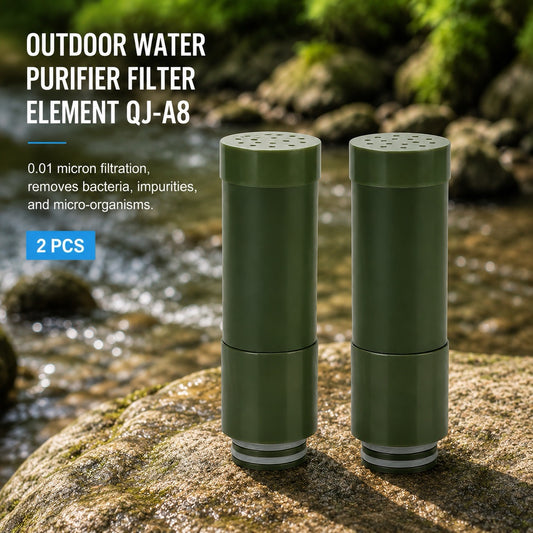
If the article raised maintenance or confidence questions, the smartest next step is keeping replacement filters ready before the current setup becomes doubtful. StayAlive Replacement Filter.
Main Filter System
Use the main StayAlive filter as the primary field tool, then support it with better storage, replacement timing, and clean-side habits. StayAlive Survival Water Filter.