How to Store a Water Filter Properly Between Uses
Share
A water filter that performs well during a trip can still become unreliable if it is stored carelessly afterward. Storage is part of maintenance, not an afterthought. If you want your system to be ready for the next hike, camping trip, storm outage, or emergency, the period between uses matters just as much as the day of use.
Why storage affects readiness
Residual moisture, contamination, and careless packing can all affect future performance. A filter that is put away wet and forgotten is not being kept ready; it is being left uncertain. Problems often show up only later, when the user assumes the unit is fine because it was fine last time.
Good storage is not complicated, but it requires intention. The goal is to put the system away in a condition that supports safe reuse rather than hoping it will recover on its own later.
Clean up before you put it away
After use, the filter should be cleared of obvious debris and handled as part of a normal shutdown routine. This is especially important if the water source was silty, stagnant, or unusually challenging. The harder the source, the more important post-use care becomes.
Users who skip this step often find that performance is worse at the next use and are left wondering whether the problem is the filter, the water source, or the storage habits that happened in between.
Store it dry, protected, and easy to find
A filter stored for future readiness should be kept in a clean, dry, organized place where it is protected from contamination and easy to access. Emergency gear that is technically owned but practically lost in storage is not real preparedness.
If the unit is part of a vehicle or home emergency system, store replacement filters nearby. Separation between the main unit and maintenance supplies creates friction exactly when you want the routine to be fast.
Recheck before the next trip or emergency
Storage is not the last step forever. Before relying on the filter again, do a quick readiness check. Make sure the unit is clean, intact, and functioning as expected. Preparedness works best when small checks happen before need becomes urgent.
That habit is especially important for seasonal users who may go weeks or months between outdoor trips. A filter should be re-entered into service intentionally, not pulled out blindly under pressure.
Final Takeaway
Store your filter like equipment you expect to trust later. Clean it, dry it, protect it, and keep replacements accessible so the whole system stays ready between uses.
How to Start With a New Filter Correctly
First-use preparation belongs in the same lifecycle management conversation as storage, rechecks, and readiness habits.
A new filter should not be treated like an object you tear open and immediately trust without thought. First use sets the tone for every use after that. If you start with a clean, deliberate setup, you build better habits and reduce the chance of confusion when the filter is needed under stress later.
Why first-use preparation matters
The first use is where users learn how the unit feels, how the workflow behaves, and what normal performance looks like. That baseline matters. Without it, many people later misread normal resistance as a problem or treat poor habits as part of the product.
Preparation is not just about the hardware. It is also about calibrating the user.
Start in a controlled setting if possible
It is smarter to become familiar with a new filter before you are tired, cold, rushed, or relying on it in the field for the first time. Using it once in a low-pressure environment helps you understand the workflow and identify anything that feels unclear.
This is especially useful for emergency kits. Gear that has never been handled is psychologically farther away than gear you have already put through one calm trial run.
Build clean habits from the beginning
First use is the right time to decide how you will manage dirty side versus clean side, where you will store the unit, and how replacement filters will be kept. Users who begin casually often stay casual. Users who begin with a clean routine tend to keep one.
That matters because water safety is partly mechanical and partly behavioral. Good process usually starts on day one, not after a problem appears.
Think of first use as readiness training
The best reason to prepare a new filter properly is that it reduces friction later. Familiar gear is used faster, trusted more appropriately, and maintained more consistently. That is exactly what you want when conditions become less comfortable.
A new filter is not truly part of your preparedness system until it has been integrated into your routine.
Related Reading
Recommended Gear
Replacement Filter Backup
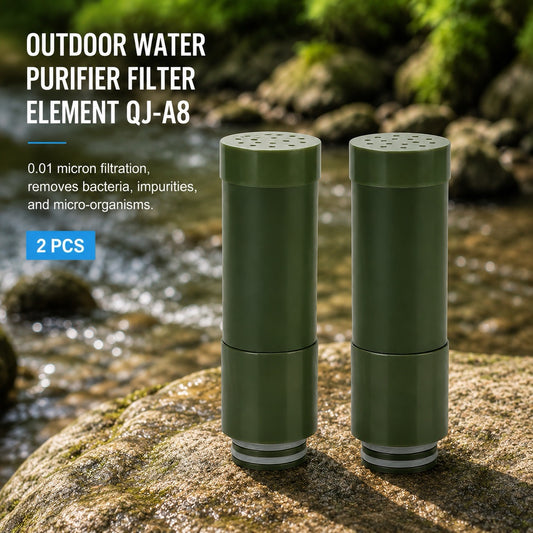
If the article raised maintenance or confidence questions, the smartest next step is keeping replacement filters ready before the current setup becomes doubtful. StayAlive Replacement Filter.
Main Filter System
Use the main StayAlive filter as the primary field tool, then support it with better storage, replacement timing, and clean-side habits. StayAlive Survival Water Filter.