How Often Should You Replace a Water Filter Cartridge?
Share
Filter replacement is one of the most important maintenance decisions in an outdoor water system. Wait too long and you risk poor performance or reduced confidence. Replace too early and you create unnecessary waste and cost. The answer is not only time-based; it depends on how and where the filter is used.
There is no one universal schedule
A filter used occasionally in cleaner water does not age the same way as one used heavily in silty or difficult conditions. Usage frequency, water quality, storage habits, and cleaning consistency all affect how long a cartridge performs well.
That is why smart replacement planning uses both time and condition. A calendar reminder is helpful, but the actual state of the filter still matters.
Performance signals matter
A noticeable decline in flow is one of the most common real-world signs that the filter is nearing service attention. So are unusual resistance, difficulty drawing water, or a change in how the unit behaves during normal use.
Do not wait for a complete failure. Maintenance is strongest when you respond while the system is still functioning, not after it becomes unreliable in the middle of a trip or outage.
Storage affects lifespan too
Many people think only active use determines filter life, but poor storage can also shorten useful performance. Moisture left inside, improper drying, contamination during storage, or long periods of neglect can all reduce readiness when the filter is needed again.
That is why replacement planning should include not only use volume but also whether the filter was stored correctly between uses.
Why spare filters improve readiness
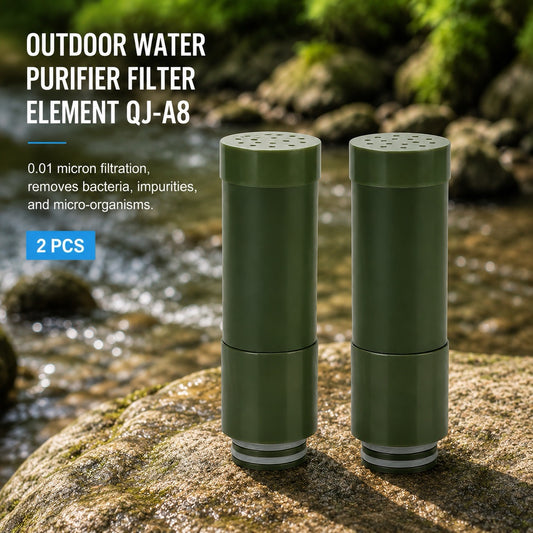
The practical question is not only when a filter should be replaced. It is whether you have the replacement available before you need it. That is where spare filter planning becomes part of maintenance rather than a separate shopping decision.
A replacement on hand protects you from hesitation. Instead of debating whether the current filter is still good enough, you can rotate confidently and keep the system dependable.
Final Takeaway
Replace your filter based on both time and performance, and keep spare cartridges available before you reach the point of doubt. Preparedness is easier when maintenance is planned, not improvised.
Replacement Warning Signs
These warning patterns were previously covered in a standalone article and are now merged into the main replacement guide.
The worst time to start wondering whether your filter needs replacement is when you already depend on it. Experienced users replace before the system becomes questionable, not after it becomes inconvenient or uncertain. The goal is not to squeeze the final drop of life out of a cartridge. The goal is to protect confidence.
Performance changes are the first clue
A steady drop in flow under normal conditions is one of the clearest signs that the filter is moving toward replacement territory. If the source quality has not changed much but the experience has become noticeably worse, that matters.
This is especially important when the decline is no longer occasional. A repeating pattern is more meaningful than one difficult water stop.
Use history matters too
Heavy use, silty water, repeated dirty sources, and long maintenance intervals all shorten practical confidence even when the filter still technically works. A cartridge that has seen hard service should not be judged by the same standard as one used lightly in cleaner conditions.
That is why expert maintenance uses context, not a single magic number. The question is whether the filter still inspires justified trust given what it has been through.
Storage mistakes can push replacement sooner
Poor storage, possible freezing, contamination events, and uncertain maintenance history all count. If the filter has been mishandled in ways that make you question it, that uncertainty should be taken seriously.
Preparedness suffers when people keep a doubtful filter in rotation simply because they do not want to replace it yet. Doubt is often a useful signal, not an inconvenience to ignore.
Why spares solve half the problem
Replacement becomes easier and smarter when a fresh filter is already available. Without a spare, users feel pressure to keep stretching the current cartridge. With a spare, they can rotate based on judgment instead of scarcity.
This is one reason serious preparedness always includes maintenance depth. Reliable systems are easier to maintain because the next step is already in the kit.
Related Reading
Recommended Gear
Replacement Filter Backup
If the article raised maintenance or confidence questions, the smartest next step is keeping replacement filters ready before the current setup becomes doubtful. StayAlive Replacement Filter.
Main Filter System
Use the main StayAlive filter as the primary field tool, then support it with better storage, replacement timing, and clean-side habits. StayAlive Survival Water Filter.