How to Plan a Water Purification Setup for Overnight Camping
Share
Overnight camping changes the water problem. You are no longer planning only for personal drinking during movement. You also need water for camp use, basic cooking, morning routines, and a margin for unexpected needs. A good overnight system is less about minimalism and more about steady supply.
Estimate more than just drinking water
Camp water needs include drinking, cooking, cleanup, and the simple reality that people often consume more than expected during setup and recovery. If more than one person is involved, your system needs to scale without becoming frustrating or slow.
This is why overnight planning works better when you think in categories instead of one total number. Drinking water may be the priority, but your workflow should support the entire camp routine.
Choose a source that supports repeated collection
The best camp water source is not only the cleanest one; it is also the one you can access repeatedly without wasteful effort. A source that is slightly farther away but cleaner and easier to collect from may be better than a closer stagnant edge that clogs gear and lowers confidence.
Set camp water habits early. Collect from the same smart point, keep containers organized, and avoid making tired late-night decisions after the easy water is already gone.
Make your treatment routine easy to repeat
A good camp setup should make treatment almost automatic. If using a filter feels awkward, slow, or poorly organized, people delay drinking or start taking shortcuts. Simplicity matters. The best camp system is often the one that becomes part of the routine without debate.
For overnight use, a portable filter is especially valuable because it supports multiple refills quickly. You can treat what you need as you go rather than rely only on one big batch prepared hours earlier.
Always keep a small backup margin
Weather, fatigue, and route changes can all increase water needs. A backup margin protects against poor source conditions, slower treatment, or higher-than-expected consumption. This matters even more when camping with a partner or family group.
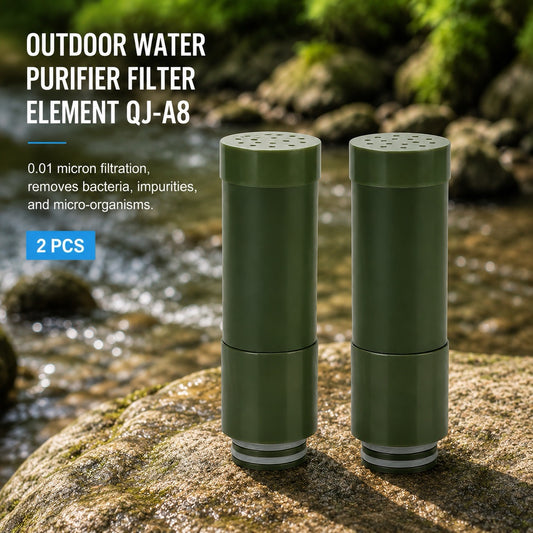
That is where extra filtration capacity and spare filters become practical rather than excessive. Overnight camping rewards redundancy more than day hiking does because the time horizon is longer and the workload is broader.
Final Takeaway
An overnight camp water plan should be built around repetition: collect well, treat efficiently, and maintain a backup margin. The easier the routine, the safer the camp.
Related Reading
- How to Build a 72-Hour Family Water Plan
- How to Build a Vehicle Water Backup Kit
- Best Water Sources for a Bug Out Scenario
Recommended Gear
Main Filter for Active Use
For bug out, travel, camping, and vehicle readiness, the main StayAlive filter gives you faster repeat access to safer drinking water. StayAlive Survival Water Filter.
Replacement Filters for Continuity
If your scenario involves family use, multi-day disruption, or long-term storage, spare filters give the plan staying power. StayAlive Replacement Filter.