How Much Safe Drinking Water Do You Need for a Day Hike?
Share
On a day hike, the water question is not only how much to carry. It is how much you need, how often you expect to refill, and whether your route gives you dependable treatment opportunities. Good water planning keeps your pack lighter without forcing risky decisions later in the day.
Start with the conditions, not a fixed number
Water needs vary with temperature, humidity, pace, elevation, and body size. A short shaded hike in cool weather does not demand the same hydration plan as a hot exposed trail with steep climbing. The more demanding the route, the less room you have for guessing.
That is why smart hikers think in layers: carry enough to begin well hydrated, know where you can refill, and bring the ability to make more water safe if needed.
Carry water plus treatment capacity
For many hikes, the most efficient strategy is to carry a base amount of water and then refill from a reliable source if the route allows. This reduces carried weight while still protecting you against delays, wrong turns, or hotter-than-expected conditions.
A filter adds flexibility. Instead of overpacking water for every possible scenario, you can plan around known water points and still have a safety margin if consumption rises during the day.
Route awareness matters more than gear hype
A light pack does not help if you misjudge the route and run dry between sources. Before hiking, check trail reports, maps, seasonal conditions, and whether expected water points are actually flowing. A source that exists on a map may be dry, muddy, or unreliable in practice.
If the route is uncertain, carry more at the start. A filter helps when water exists, but it does not create water where none is available. Planning always comes first.
A safer mindset for day hikes
The best water plan is the one that still works when the day gets slower, hotter, or longer than expected. Extra breaks, navigational errors, and pace changes are normal. Your hydration plan should absorb those realities without forcing you to drink untreated water out of desperation.
For day hikes, a compact filter is often one of the highest-value pieces of insurance you can carry. It gives you a way to respond instead of just hope that your original water estimate was perfect.
Final Takeaway
Plan your day hike around both water quantity and water access. Carried water covers the start; treatment capacity protects the rest of the day.
Related Reading
- How to Build a 72-Hour Family Water Plan
- How to Build a Vehicle Water Backup Kit
- Best Water Sources for a Bug Out Scenario
Recommended Gear
Main Filter for Active Use
For bug out, travel, camping, and vehicle readiness, the main StayAlive filter gives you faster repeat access to safer drinking water. StayAlive Survival Water Filter.
Replacement Filters for Continuity
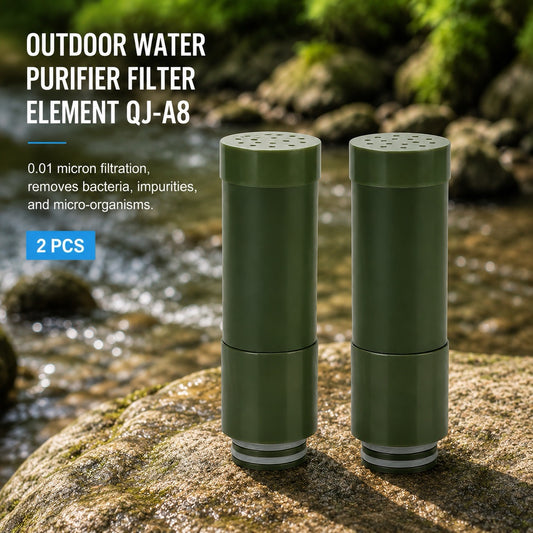
If your scenario involves family use, multi-day disruption, or long-term storage, spare filters give the plan staying power. StayAlive Replacement Filter.