Comparing the Most Common Outdoor Water Purification Methods
Share
There is no single perfect outdoor water treatment method for every trip. The best option depends on your water source, available fuel, time, weight limits, and how much water you need to produce. What matters most is understanding the tradeoffs so you can choose the right tool for the job.
Portable filtration
Portable filters are popular because they are fast, reusable, and practical for hiking, camping, vehicles, and home emergency kits. They are especially useful when you need water repeatedly rather than once. A good filter can remove sediment and reduce many biological risks from common outdoor sources.
Their limitation is that not every filter addresses every type of contamination. Performance depends on the filter design, source quality, and maintenance condition. Filters also work best when water is not heavily muddy or chemically polluted.
Boiling
Boiling is one of the most dependable biological treatment methods because heat can neutralize many microorganisms when applied correctly. It is a strong backup option in camp and a useful emergency method when fuel and cookware are available.
Its weaknesses are time, fuel use, and cooling delay. It is less convenient for repeated quick collection during active movement, and it does not remove sediment or improve water taste on its own.
Chemical treatment
Purification tablets or drops are lightweight and easy to store, which makes them attractive for backup kits. They can be useful when you need a minimal-weight emergency option or want a second line of treatment.
The tradeoffs are contact time, taste, and user patience. In cold water or poor conditions, waiting for treatment to complete can feel slow. Tablets are often best treated as a backup or supplemental option rather than the only method in a high-use routine.
Why many users combine methods
A realistic outdoor setup often combines methods. A filter handles routine collection efficiently, while boiling or chemical treatment serves as backup in uncertain conditions. This layered approach is especially sensible in disaster preparedness, vehicle kits, or longer trips.
The right choice is not about finding a universally best method. It is about building a system that matches your most likely scenario. The more your method fits your actual use, the more likely you are to use it consistently when it matters.
Final Takeaway
For most everyday outdoor use, portable filtration is the most convenient core method. Boiling and chemical treatment remain valuable as backups, especially when conditions become uncertain.
Related Reading
- What a Portable Water Filter Can and Cannot Remove
- When to Boil Water Even If You Already Have a Filter
Recommended Gear
StayAlive Main Filter
For normal outdoor freshwater use, the main filter is the most practical core tool in the treatment system. StayAlive Survival Water Filter.
Spare Filter Strategy
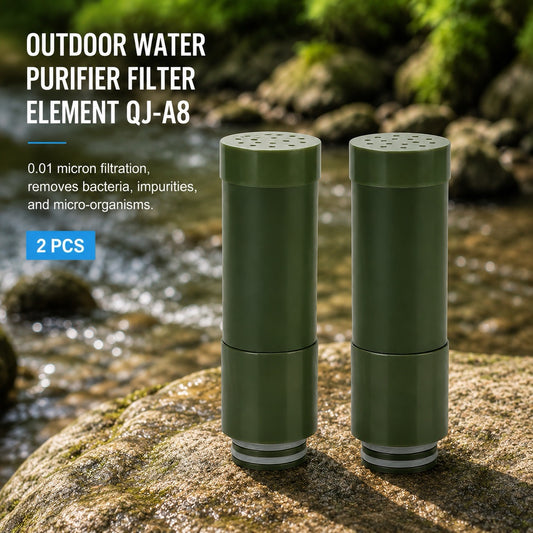
If your treatment plan depends on repeated use, spare filters make the system much more resilient over time. StayAlive Replacement Filter.